
Reflections on ‘OCEAN with David Attenborough’
‘OCEAN with David Attenborough’ is a powerful and deeply moving story, told in three acts - wonder, shock, and hope - taking viewers from the beauty and discovery of the ocean, to the devastating reality of human actions, and finally to the possibility of dramatic recovery.
The soundtrack is remarkable, and plays a crucial role in shaping this emotional journey. At times it feels serene and awe-inspiring, and at others it becomes tense and unsettling - mirroring what is unfolding on screen. This immersive experience highlights both the beauty and peril of marine life.
One of the best parts about the film is that it features voices from local communities around the world, linked together by Sir David’s narration. Each community member speaks personally about the issues and ecosystem changes they have witnessed. Their perspectives make the film feel more heartfelt and inclusive.
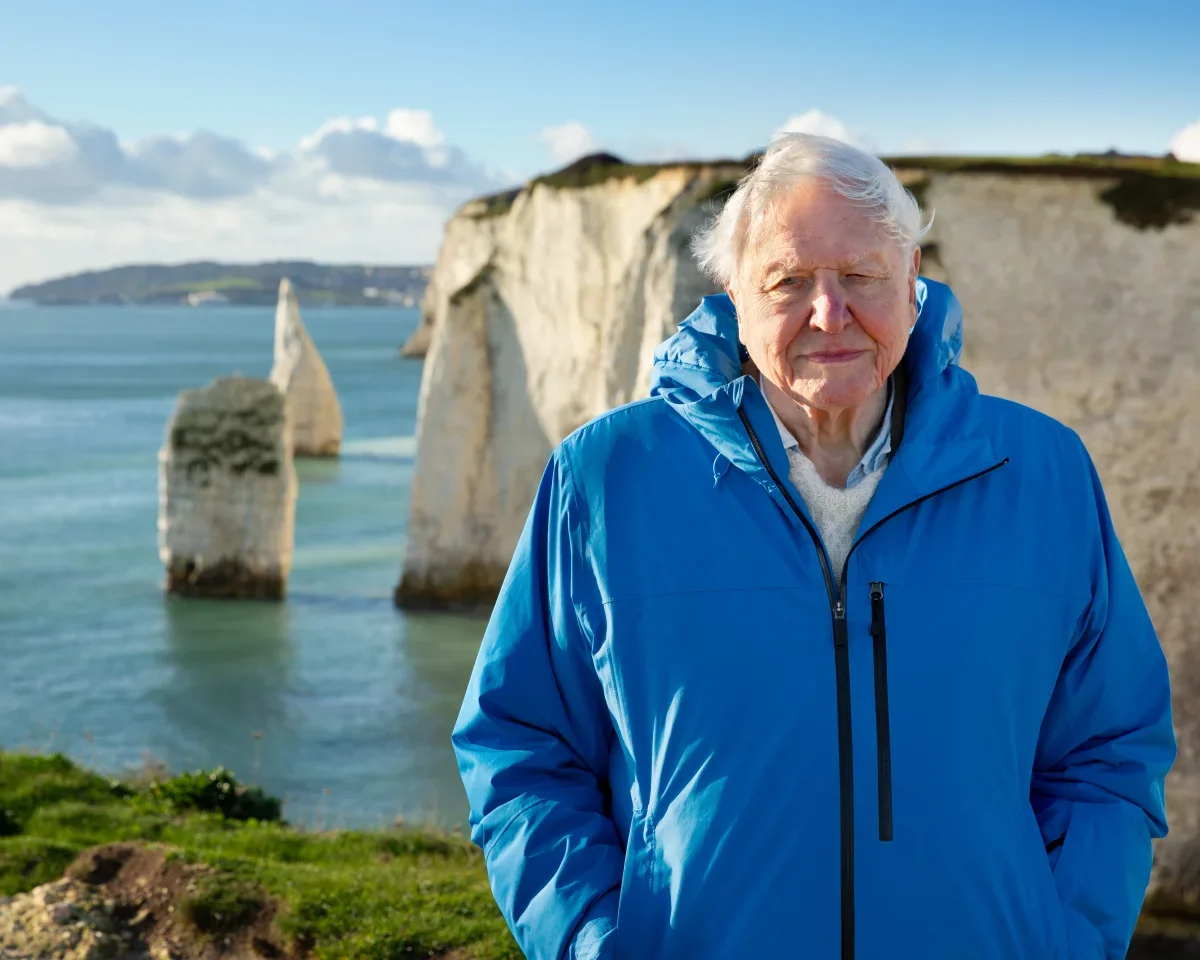
David Attenborough standing at Old Harry Rocks, Dorset – the opening and closing scene in ‘OCEAN’. Credit: OCEAN with David Attenborough.
Hidden destruction beneath the waves
What shocked me most was how OCEAN exposes the damaging practices that are driving the ocean into crisis, particularly bottom trawling and scallop dredging. These fully legal fishing methods drag heavy equipment along the ocean floor, obliterating entire ecosystems. The film reveals high-quality footage of bottom trawling for the first time, showing destruction so extensive that the pathways of damage can even be seen from space.
The most disturbing part is how hidden this destruction is. Even though the ocean is under threat like never before, much of this devastation remains out of sight. Through powerful cinematic shots, the film exposes what is happening above and below the waves, from destructive fishing techniques to mass coral reef bleaching.
The aftermath of scallop dredging off the coast of the Isle of Arran is particularly harrowing. Don MacNeish, founder of the Community of Arran Seabed Trust (COAST), describes scuba diving in its wake “like swimming through the garden of Eden in a nuclear winter”. It leaves viewers questioning how wildlife can possibly compete when we are constantly draining the ocean of life.
Even more shocking is that these practices are completely legal and often subsidised by governments. Bottom trawling is allowed in many Marine Protected Areas (MPAs) worldwide, and around $20 billion is spent globally each year supporting the industrial fishing industry.
Human actions are not only driving the ocean’s collapse, but actively supporting and monetising it.
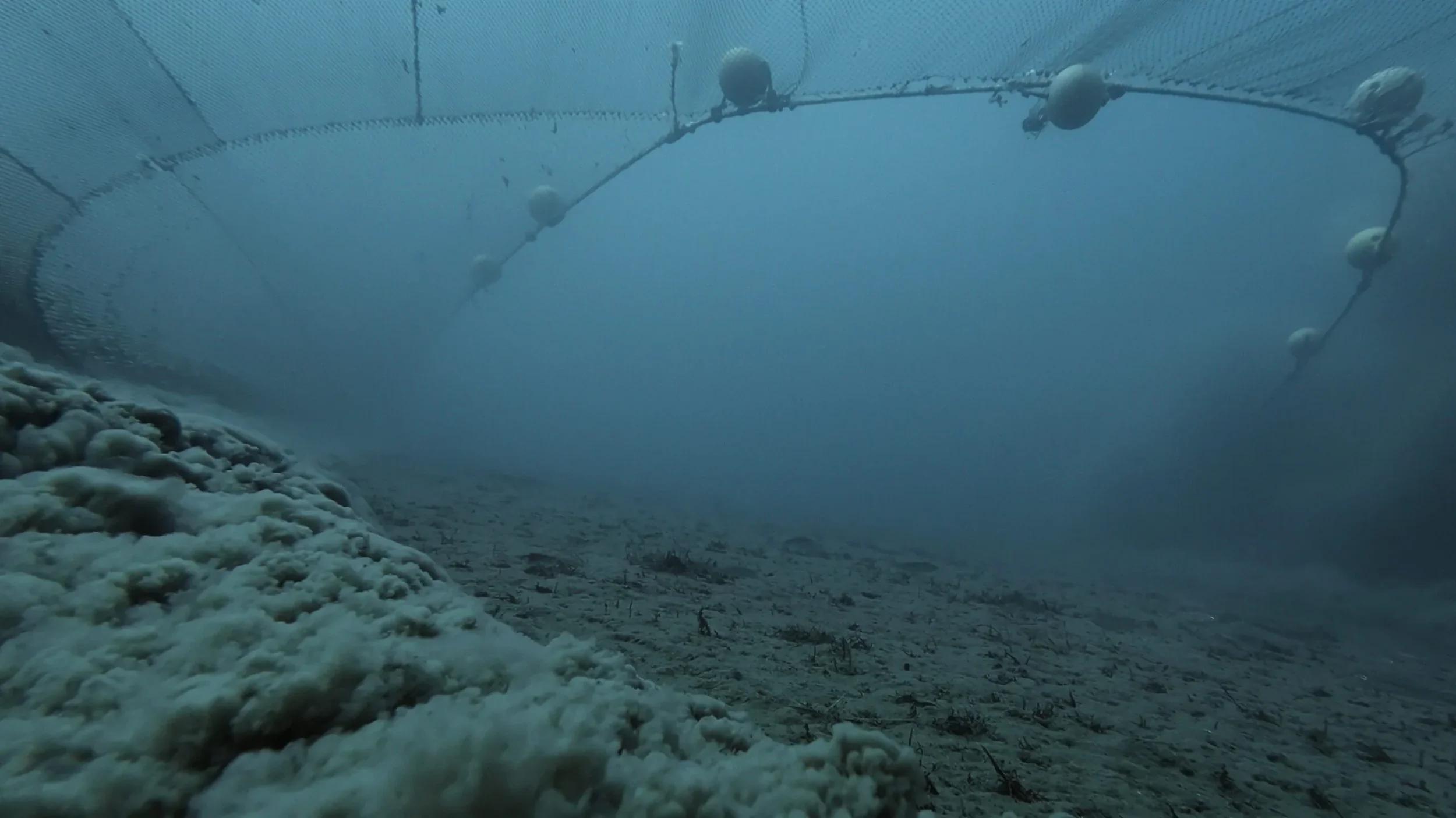
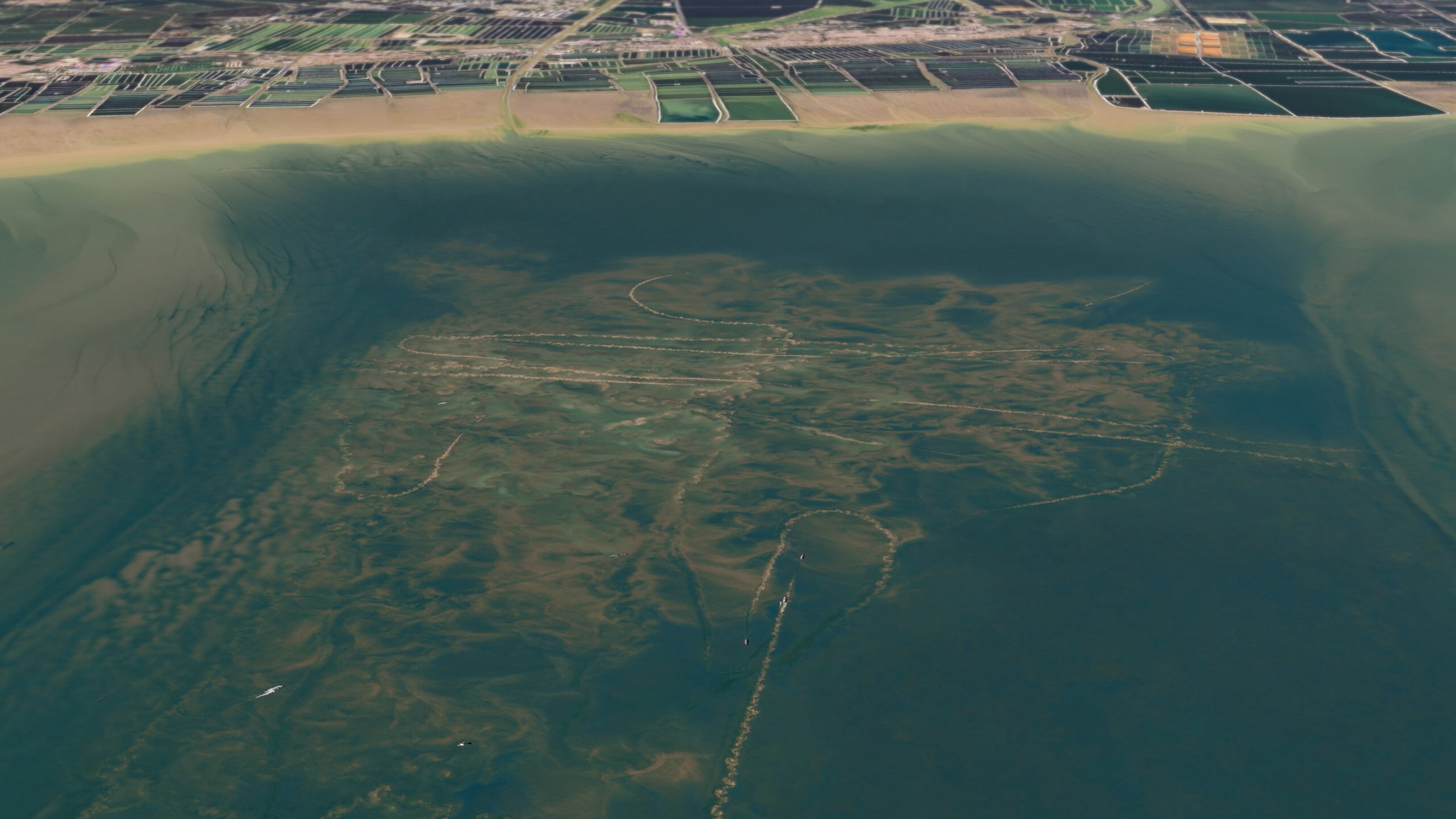
1. Underwater view of bottom trawling. 2. Aerial view of the sediment plumes caused by bottom trawling. Credits: OCEAN with David Attenborough.
Hope on the horizon
My favourite part of the film was the final act, which shares the some of the greatest ocean recovery stories from around the world. It leaves viewers with an inspirational and hopeful message: recovery is possible, when we take action.
In the Northern Channel Islands, a marine area was designated as a no-take zone after overfishing had left fish stocks severely depleted. Remarkably, within just 5 years, kelp forests and marine life began to thrive again following 200 years of industrial fishing. Lobster populations rebounded so successfully that fisheries outside of the no-take zone were revived.
Another inspiring story came from the Papahānaumokuākea region in Hawaii - the largest protected area on land and sea in the world. Thanks to elders and local fishermen advocating for protection, the area has supported the recovery of the Laysan albatross. The population went from near extinction to becoming the largest colony in world, now with around 14 million seabirds returning each year.
These stories show that success is possible. In the film, David Attenborough uses the global banning of commercial whaling as a powerful historical example of how collective action has protected our ocean.
The message is clear: The ocean is vital, and it can recover faster and on a larger scale than we ever thought possible, if we choose to come together - and ACT.
In the words of Sir David Attenborough, “If we save the sea, we save our world”.
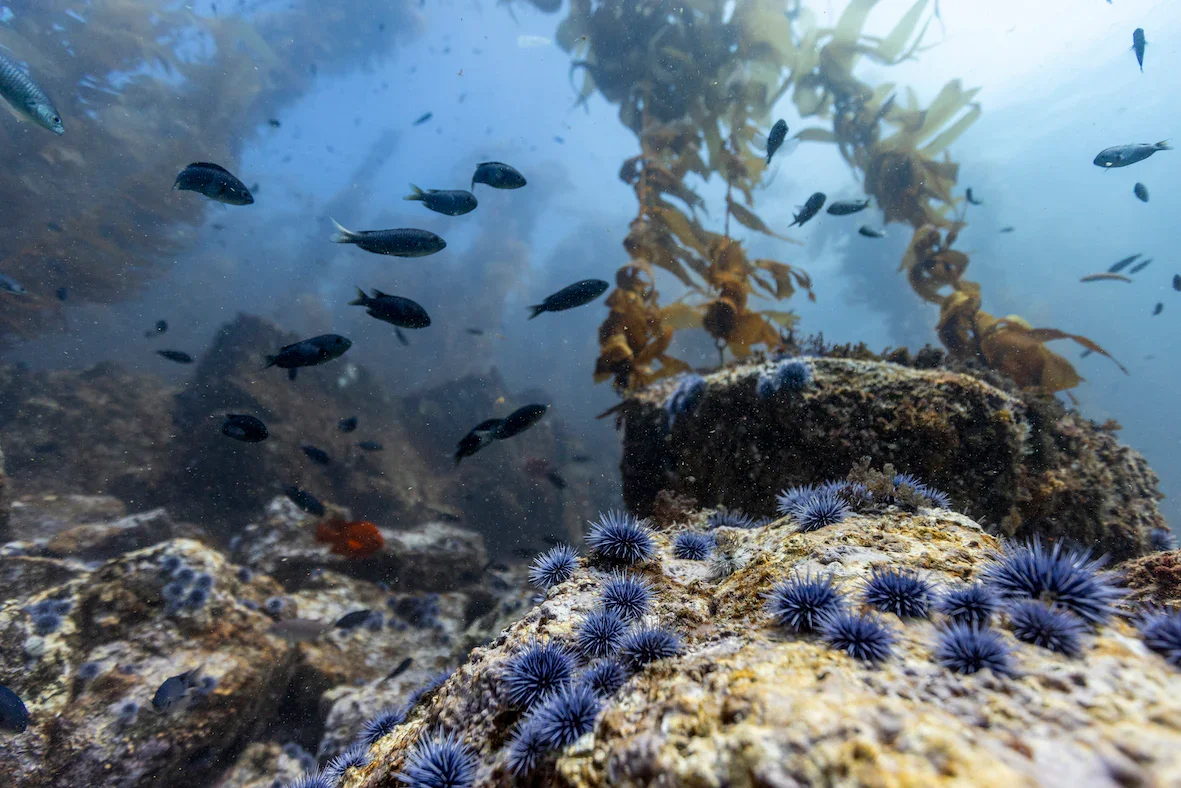
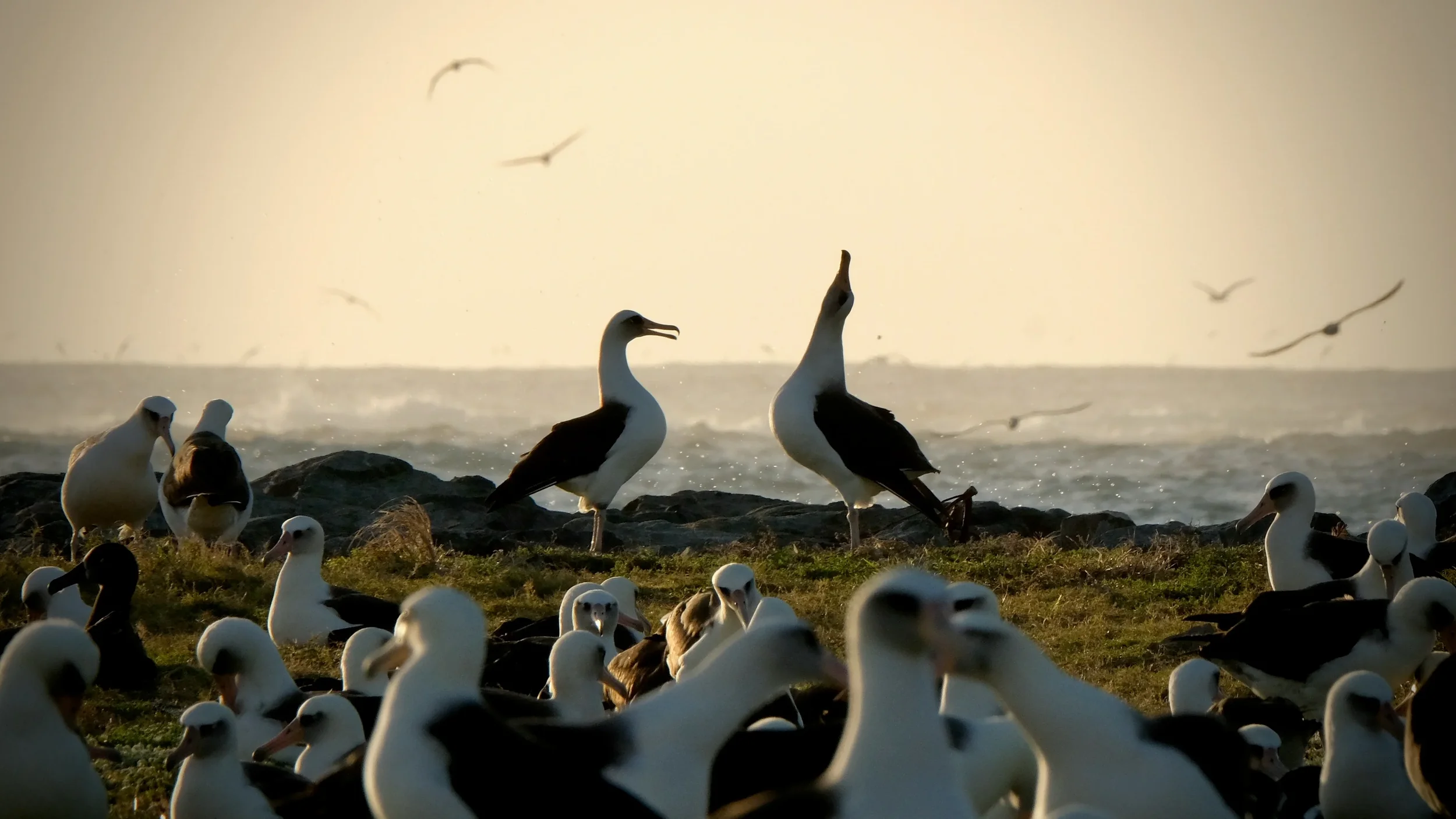
1. Marine life recovery in the Channel Islands. 2. Laysan albatross colony in Papahānaumokuākea. Credits: OCEAN with David Attenborough.