LCAW, Cannes Lions, and Deadly Heatwaves
When the world heats up, so does the conversation...
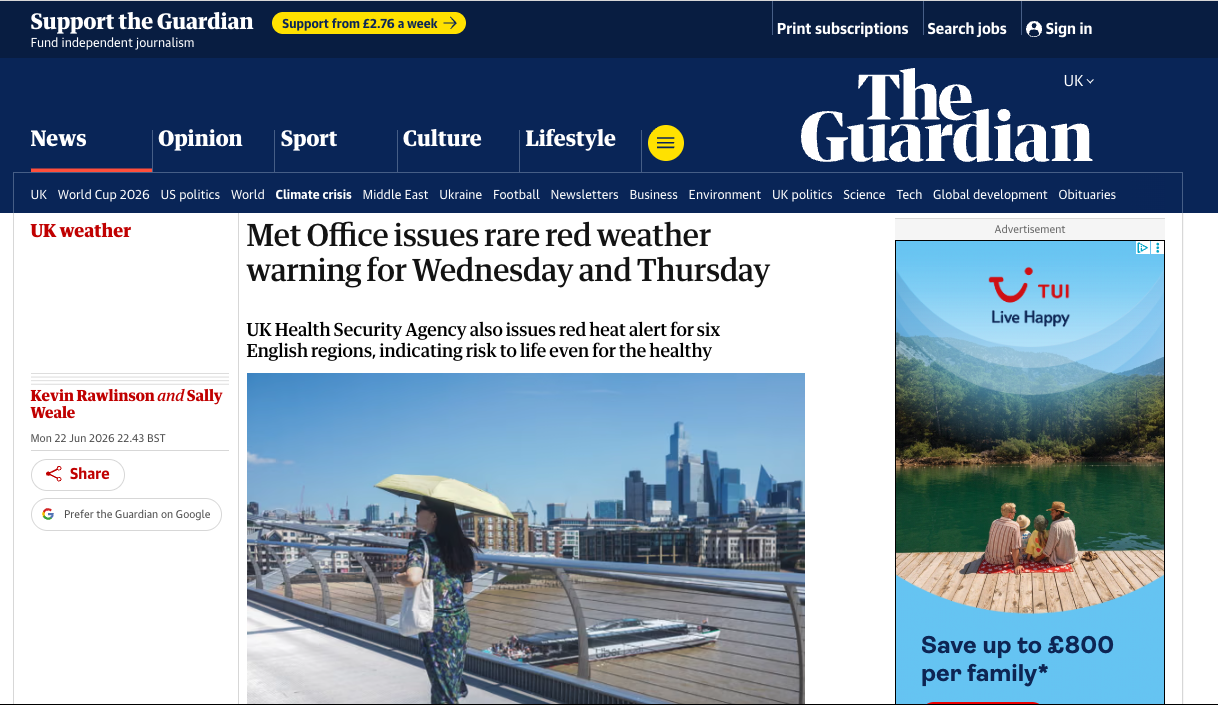
During a record-breaking heatwave, the MSQ/Sustain team were at London Climate Action Week. Rebecca Daniel explored sustainable shipping, Lauren Foskett learnt how advertising can drive real-world action, and Neil Clark tuned into a session on global attitudes to climate risk. (And ironically, one of Neil's sessions, on extreme heat, was cancelled...).
Meanwhile at Cannes Lions - held amid France's own deadly heatwave - Alice Giorgi from The Forge braved the 34°C heat to scout out sustainability conversations, amidst an agenda dominated by AI.
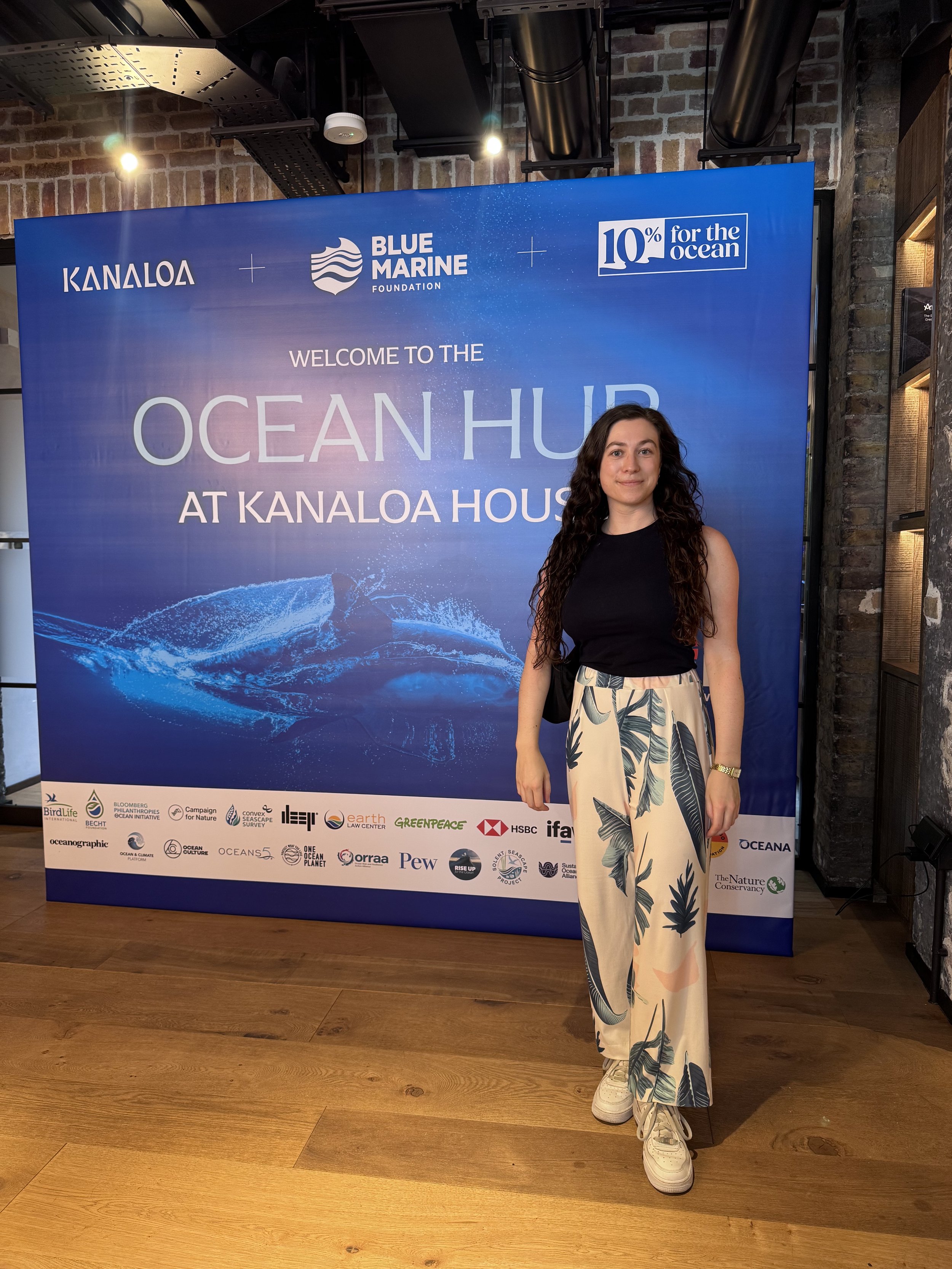
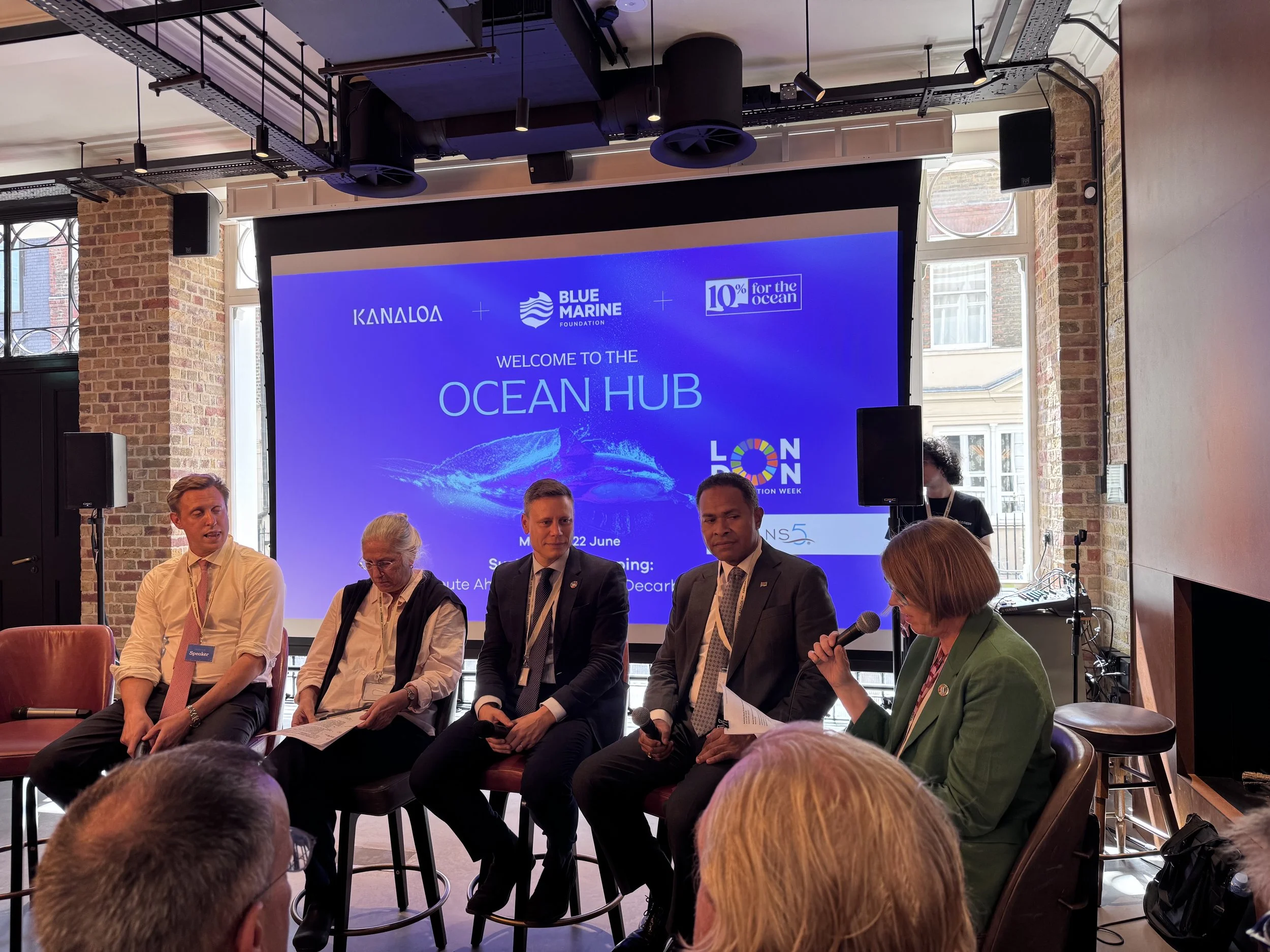
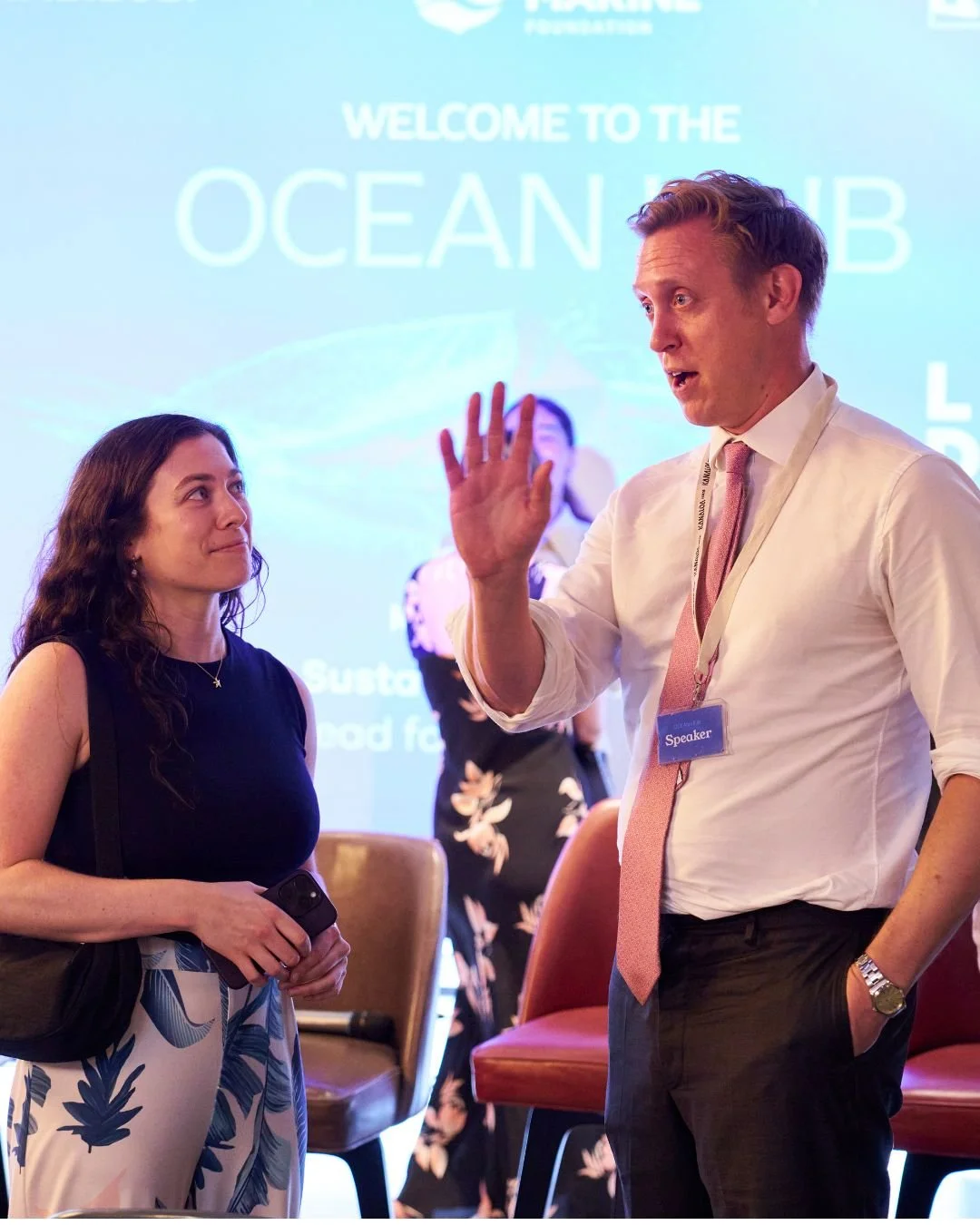
‘Sustainable Shipping - The Route Ahead for Maritime Decarbonisation’
Rebecca Daniel
Navigating sustainability in the maritime sector isn't straightforward - but it's encouraging to see the momentum building.
Hosted by Kanaloa House / Ocean Hub, this session showed that proven solutions already exist for the maritime sector - what's missing is policy certainty from the IMO, and the finance flows to unlock transition at scale.
From Pacific-led shipping partnerships, to green corridors, and the promise of e-fuels - the sector is moving, but policy consensus and investment need to catch up.
5 ways shipping is decarbonising:
The IMO’s GHG Strategy and efficiency standards (like CII & EEXI) are already driving improvements across fleets, and the Net-Zero Framework is still on the table.
There is growing investment in alternative fuels, like e-methanol.
Around 100 green shipping corridors are accelerating cleaner maritime routes.
Ports are beginning to offer low- and zero-emission refueling infrastructure.
Ships are achieving reduced fuel consumption through AI-assisted route planning and technology like wind-assisted propulsion systems.
But with ocean travel continuing to grow, sustainability is becoming about far more than just carbon…
A new wave of travelers are asking for more. They want to leave places better than when they arrived, support local communities, contribute to citizen science, and fund nature regeneration and conservation - alongside emissions reductions.
So beyond decarbonisation, there’s also an opportunity for the sector to look holistically at sustainability.
The first rule of sustainability? Don’t talk about sustainability.
Lauren Foskett
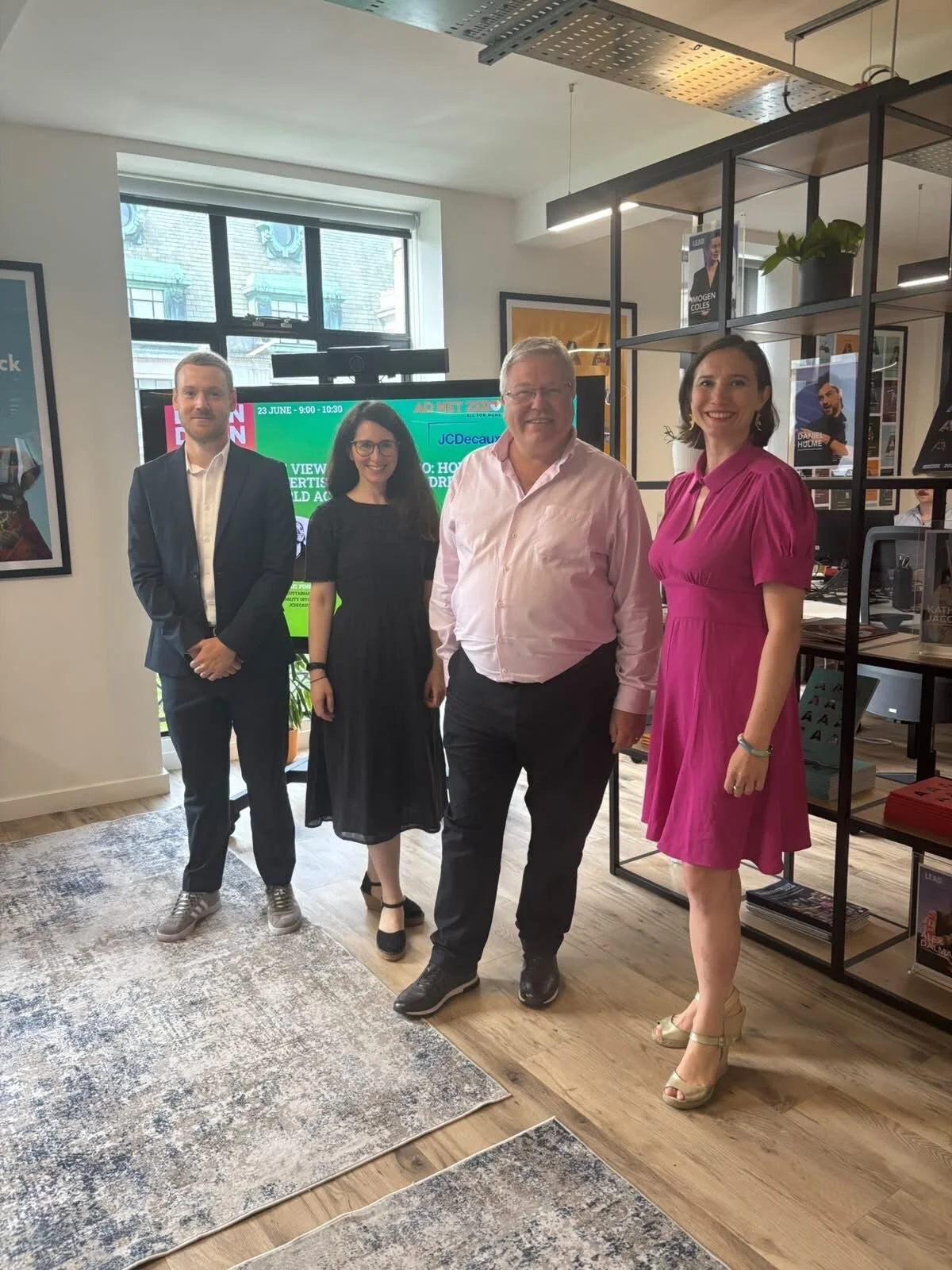
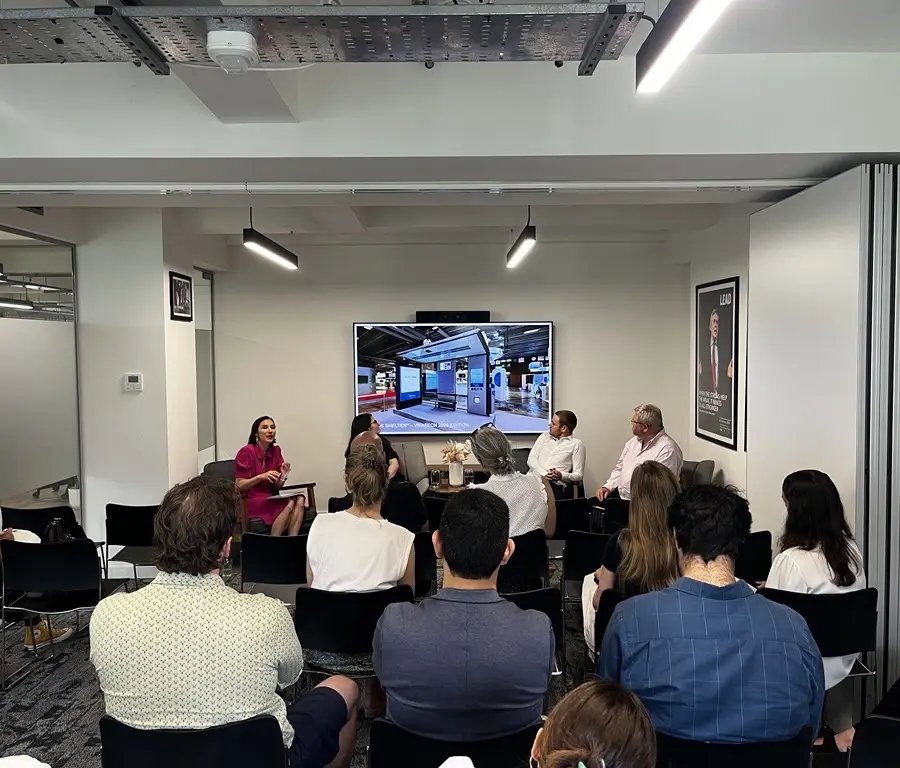
But on Day Two of London Climate Action Week, Business Director Lauren Foskett found herself at a session to talk about exactly that.
So, hang on. Why shouldn’t we be crying out from the rooftops about the need for change at speed and scale? Today’s climate (or call it extreme weather if you really want to) demands that we all start leaning into the conversation, not away from it.
The discussion at Ad Net Zero’s ‘The View from a CSO: How Can the Advertising Industry Drive Real World Action?’ event wasn’t about ignoring sustainable practices or targets at all - instead it was about:
Fully integrating sustainability frameworks into business objectives: sustainability can no longer be seen as a nice to have or a tertiary pillar. It must become the pillar. The climate crisis is an economic crisis. And the more businesses take action today, the more they will ultimately be able to protect supply chains, staff, and the bottom line for tomorrow.
Reframing how we talk about sustainability: Sustainability targets must be spoken about in the same sentence as commercial targets. We can no longer afford them to be seen as separate. Don’t add sustainability onto the already long to-do list, instead position sustainability as the solution - because it is.
At a time when the landscape is fatigued with legislation, it’s our job as sustainability communicators to lighten the lift. Make leaning into the conversation easier to do. And provide proof that in doing so you create a resilient business for the long term, in a world often only thinking about the short term.
Alone together - the hidden consensus on climate
Neil Clark
Most people want climate action. The catch is that a lot of us think they're the only ones that do.
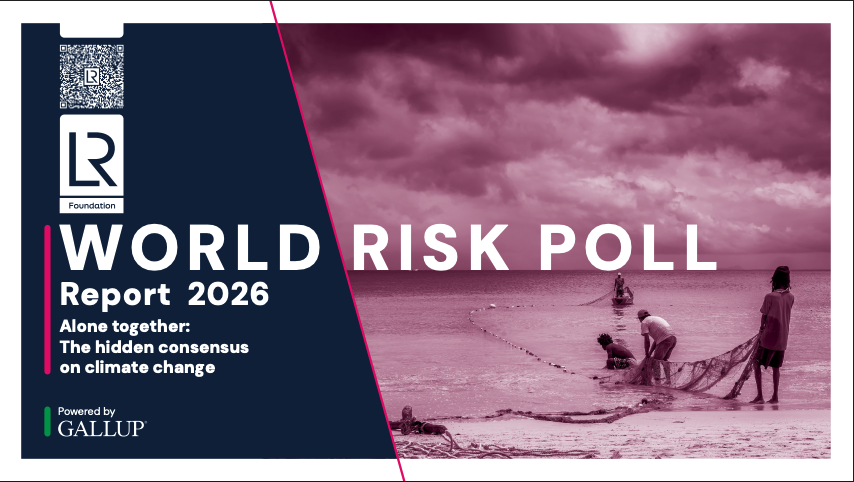
With red weather warnings in force both where I live and across London, I chose not to travel and switched to an online ticket for the launch of the World Risk Poll 2026 - which measures what people in every region see as the biggest threats to their lives. Climate and extreme weather come up again and again, and this year two findings stood out:
Around 3/4 of adults worldwide now rate climate change as a serious threat to their own country -the strongest result the poll has ever recorded. Far fewer people say they have no view (which has fallen sharply since 2019).
Across many wealthier countries, the people who are most worried about climate change hugely underestimate how many of their neighbours feel the same. In 10 countries, that gap runs to more than 30%.
So what does this mean?
The gap between public opinion and science is closing, which clears one of the obstacles that has slowed climate action for years.
Worried majorities are quietly assuming they are a lonely minority. Correct that misconception and support for stronger climate policy rises.
As communicators, this finding gives us license to be bolder, to push our clients further - because the climate-aware audience is already there. Most people understand what is happening, they just believe they are outnumbered by doubters. The country-by-country data is also fascinating, and it is a rich seam for building campaigns and synthetic audiences grounded in how people actually feel (rather than how we assume they do).
Encouragingly, the advertising industry is creating the tools for us to act on this. Ad Net Zero and the Advertising Association have launched Every Brief Counts - a free, science-backed toolkit for weaving sustainable behaviours into creative work.
And the Kantar Sustainable Behaviours Ad Tracker, makes the gap plain: less than 5% of ads currently depict sustainable behaviours, and that number is falling. Yet the same data shows there is no creative penalty for putting sustainability on screen. In fact, ads that do include sustainability messaging tend to be more distinctive and more effective - both in the short and long term.
Alongside this, Ad Net Zero published the third edition of its Global Media Sustainability Framework - which can estimate emissions across ~95% of global media spend and compare the impact of different media choices across markets and channels. This means the advertising industry is finally getting a common language for the climate footprint of media buying.
The appetite is there, the evidence is there, the measurement is there - and the excuse for timidity is running out.
Meanwhile on the other side of the pond, Alice Giorgi was battling her own heatwave in France during Cannes Lions - the annual festival of creativity, where over 12,000 marketing and advertising professionals gather.
Sustainability - from overhyped selling point to core foundation
Alice Giorgi
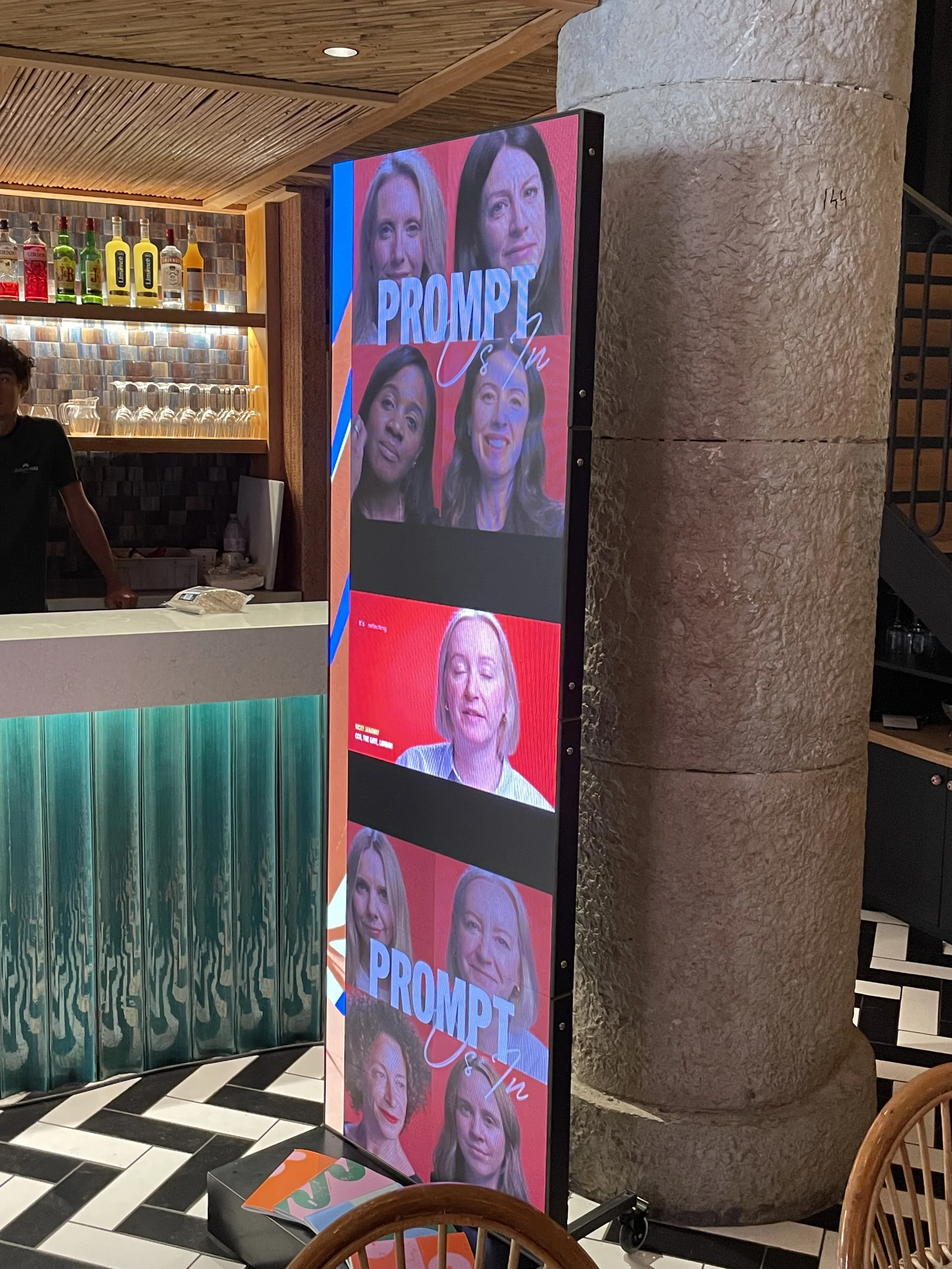
During the last week of June, together with fellow Young Lion Amanda Bui, we had the amazing opportunity to bring the ‘Prompt Us In’ campaign - challenging gender bias in AI - to the big screens at the Cannes Lions Festival of Creativity!
Despite the glamorous French Riviera setting for the five-day festival, walking up and down the Croisette in 34°C heat was anything but!
While France experienced its hottest June on record and air conditioning dictated attendees’ schedules, sustainability conversations shifted more to the fringes with an agenda dominated by AI.
However, the prevalence of sustainability-themed talks, from business circularity to brand messaging, proved that sustainability is being reframed from an overhyped selling point to a core foundation for many brands.
Alex Weller from Patagonia discussed how the company has continually used transparent storytelling to create consumer trust around progress on sustainability, and balance commercial goals as an outdoor sports brand with activist values.
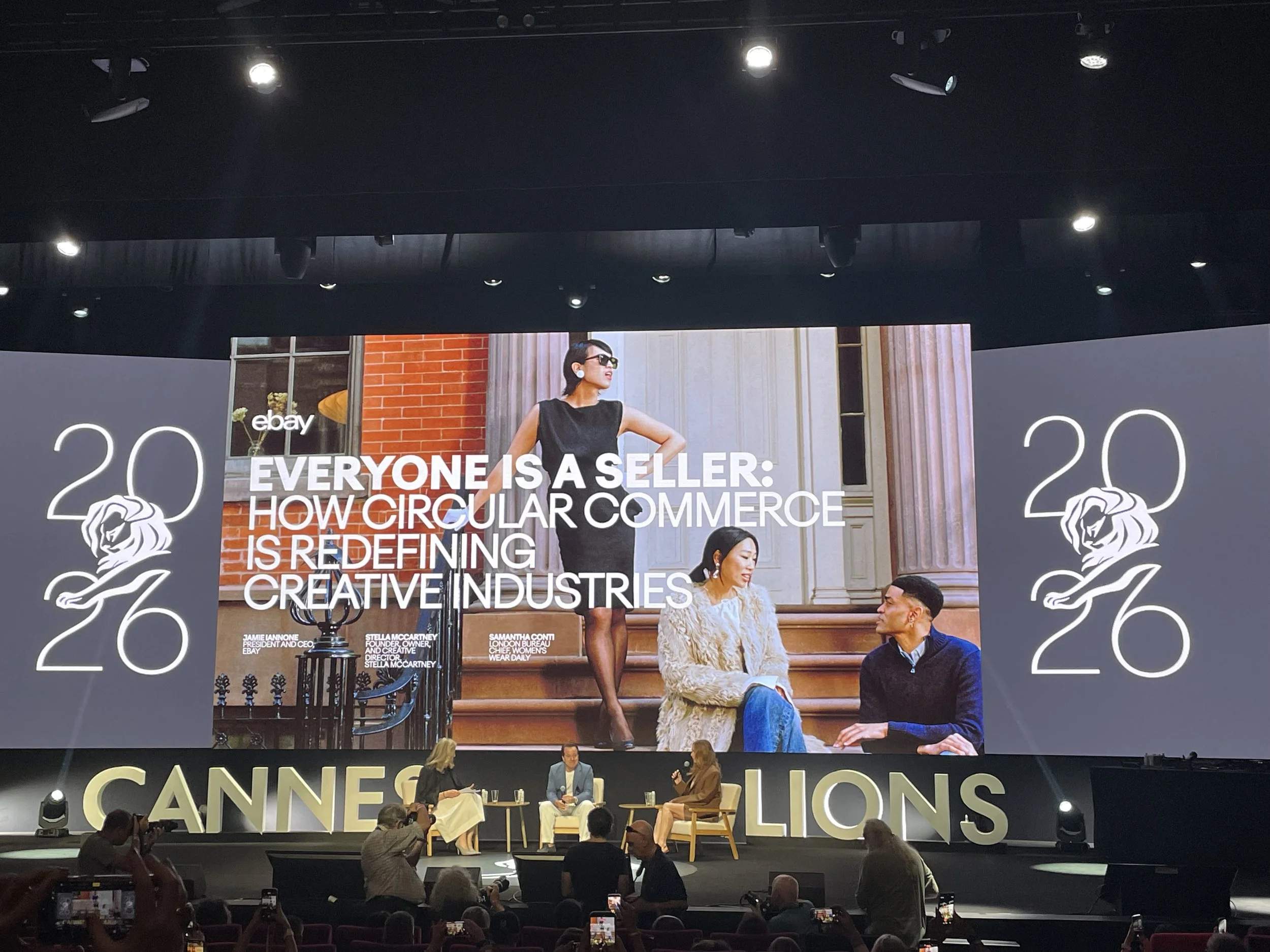
Jamie Iannone from eBay and Stella McCartney showed how luxury fashion pieces and repurposed and re-loved fashion sold on eBay share a common goal: longevity of clothing items and fashion heritage that can be passed on from one wearer to the next. The session proved that business circularity is a common thread stretching from high-end fashion to re-loved clothing.
Pascal Bieri from Planted and Madita Brandhorst demonstrated how strong storytelling on taste and the social rituals of the summer BBQ, along with celebrity consumer buy-in, communicated the benefits of plant-based meat to meat-eaters. Rather than staying in a separate category, Planted chose to compete directly with meat-based brands - disrupting the playbook for sustainable brands.
Keynote talks and roundtable events from Creatives for Climate, BLab Europe, Clean Creatives, and Conscious Advertising Network enjoyed high attendance from younger marketers. And it was inspiring to see that a new generation of industry professionals are putting sustainability at the core of their marketing campaigns, rather than an afterthought.